Detailed Service Information
Emergency Plumbing
Plumbing emergencies are among the most stressful situations homeowners face, often occurring at the worst possible times—late at night, during holidays, or in the middle of harsh Colorado winter weather. When you're dealing with a burst pipe flooding your home, sewage backing up into your living spaces, a completely blocked main drain preventing any water usage, or a total failure of your water heater leaving you without hot water in freezing temperatures, you need immediate professional help to prevent catastrophic damage and restore safety and comfort.
Our emergency plumbing service is designed specifically for these critical situations. We maintain on-call plumbers every day of the week, including weekends and holidays, and we prioritize emergency calls to provide the fastest possible response. When you contact us with an urgent problem, we dispatch a fully equipped service vehicle immediately. Our plumbers arrive with professional-grade tools, common replacement parts, and the experience necessary to quickly assess the situation, implement emergency measures to stop ongoing damage, and begin effective repairs.
Emergency situations we commonly handle include pipe bursts caused by freezing temperatures or failed connections, major leaks from water heaters or supply lines, sewer backups that pose health hazards, complete drain blockages that prevent water use, water heater failures during cold weather, gas leaks near plumbing fixtures, and failed sump pumps during flooding conditions. Our experience with Colorado homes means we understand the specific emergencies common in this climate, from frozen pipe prevention to rapid response during spring snowmelt flooding.
Professional emergency plumbing service is essential because attempting DIY repairs during a crisis often makes the situation worse and can result in additional damage, code violations, safety hazards, and ultimately higher costs. Our professional plumbers have the expertise to solve problems correctly the first time, the equipment to handle any situation, and the knowledge to work safely even under pressure. When you're facing a plumbing emergency, don't hesitate—call immediately so we can minimize damage, protect your property, and restore your plumbing system to safe, functional condition.
Drain Cleaning
Drain problems are among the most common plumbing issues homeowners encounter, ranging from minor annoyances like slow-draining sinks to major problems like complete blockages that prevent water use entirely. Every drain in your home carries wastewater away from fixtures, and over time various materials accumulate inside drain pipes—hair and soap scum in bathroom drains, food particles and grease in kitchen sinks, and even tree roots infiltrating main sewer lines. When these accumulations build up enough, they slow drainage or create complete blockages that back water up into your home.
Professional drain cleaning addresses both active clogs and preventative maintenance. When you call us with a clogged or slow drain, we start with a thorough assessment to determine the location and nature of the blockage. For simple clogs near fixtures, mechanical snaking with professional-grade drain augers quickly breaks through and removes the obstruction. For more stubborn blockages, especially in main drain lines, we may use hydro-jetting equipment that blasts high-pressure water through pipes, thoroughly scouring away buildup and completely restoring flow. For sewer line issues, we often use video camera inspection first to see exactly what we're dealing with and where the problem is located.
Many homeowners reach for chemical drain cleaners when they experience a slow drain, but these products have serious drawbacks. They're only effective on certain types of clogs, they can damage pipes—especially older metal pipes and modern PVC joints—and they pose safety hazards due to toxic fumes and chemical burns. Repeated use of chemical cleaners can actually accelerate pipe deterioration. Professional mechanical and hydro-jetting methods are safer for your plumbing, more effective at completely clearing blockages, and address the root cause rather than providing temporary relief.
Regular professional drain cleaning also serves as valuable preventative maintenance. Scheduling periodic cleaning—annually for households prone to drainage issues, or every 18-24 months for typical homes—removes accumulating buildup before it causes problems. This proactive approach prevents inconvenient backups, extends the life of your drain pipes, and ultimately saves money by avoiding emergency service calls and water damage from overflows. Our drain cleaning service keeps your home's drainage system flowing smoothly year-round.
Water Heater Repair & Installation
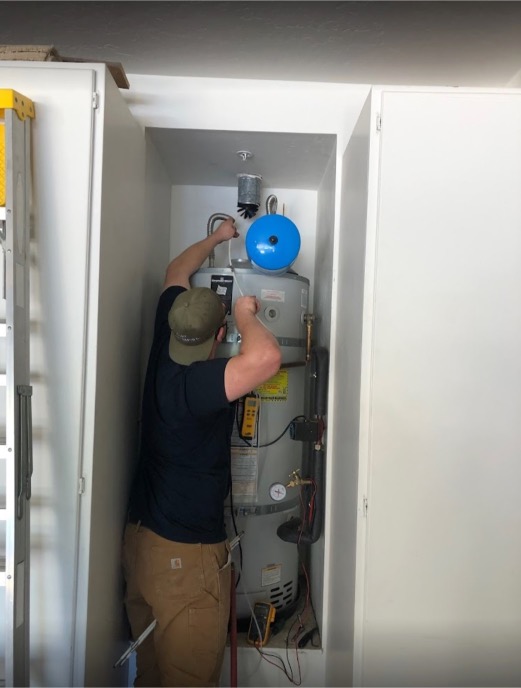
Your water heater works quietly in the background every day, providing hot water for showers, laundry, dishwashing, and countless other household tasks. Most homeowners don't think much about this essential appliance until something goes wrong—and water heater problems immediately disrupt daily routines. Common issues include inconsistent water temperature that fluctuates between hot and cold, unusual noises like rumbling, popping, or hissing from the tank, discolored or rust-tinted water indicating corrosion inside the tank, visible leaks around the base or connections, reduced hot water capacity that leaves you running out mid-shower, and complete failure leaving you with no hot water at all.
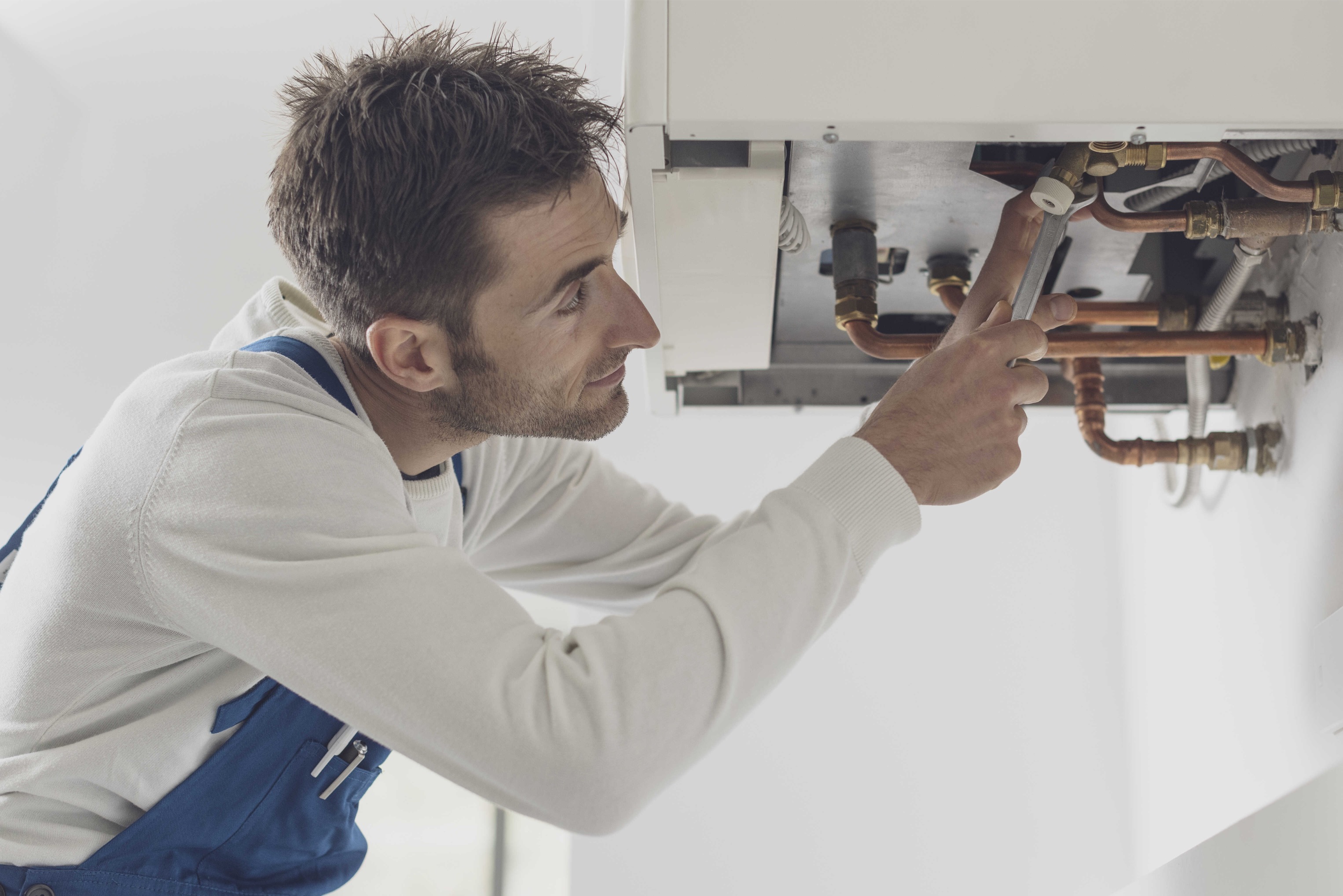
When you contact us about water heater problems, we start with thorough diagnostics to identify the exact issue. Many water heater problems are repairable—failed heating elements or thermostats in electric models, malfunctioning gas control valves or pilot assemblies in gas units, sediment buildup reducing efficiency and capacity, corroded anode rods that no longer protect the tank, and faulty temperature and pressure relief valves. Our plumbers carry common replacement parts and can often complete repairs the same day. However, if your water heater is approaching or beyond its expected lifespan (typically 8-12 years for tank models), shows signs of significant tank corrosion, or would require expensive repairs, replacement is usually the smarter financial decision.
When replacement is recommended, we help you choose the right water heater for your home. Considerations include household size and hot water demand, available space and venting requirements, energy efficiency and operating costs, budget for both initial purchase and long-term operation, and choice between traditional tank and tankless models. Each type has advantages—tank water heaters cost less initially and provide large volumes of hot water, while tankless models save space, never run out of hot water, and offer superior energy efficiency but cost more upfront. We explain the pros and cons of each option without pressure, helping you make an informed decision that fits your needs and budget.
Professional water heater installation is essential for safety, code compliance, proper function, and warranty protection. Incorrect installation can result in gas leaks, carbon monoxide hazards, water damage from leaks, poor performance, and voided manufacturer warranties. Our professional plumbers install water heaters according to manufacturer specifications and local building codes, ensuring all connections are secure, safety devices function correctly, and the unit operates efficiently. We also haul away your old water heater for proper disposal. Whether you need water heater repair or replacement, our goal is restoring reliable hot water to your Wheat Ridge home quickly and correctly.
Leak Detection
While some plumbing leaks announce themselves obviously—a dripping faucet, water pooling under a sink, or a toilet running constantly—many leaks remain hidden behind walls, under floors, in ceilings, or beneath your home's concrete slab. These concealed leaks are particularly problematic because they can continue for weeks or months before homeowners notice symptoms, wasting thousands of gallons of water and causing extensive damage to structural elements, insulation, and finishes. The financial cost includes not only wasted water driving up utility bills but also expensive repairs to damaged building materials and potential mold remediation if moisture problems persist.
Recognizing the signs of hidden leaks is the first step toward addressing them. Warning indicators include unexplained increases in your monthly water bill despite unchanged usage patterns, the sound of running water when all fixtures and appliances are turned off, warm or hot spots on floors indicating a hot water line leak beneath, persistent musty or moldy odors suggesting hidden moisture, water stains or discoloration on walls and ceilings, peeling or bubbling paint and wallpaper, and visible mold or mildew growth. Additionally, if your water meter continues to move when all water use is shut off, you definitely have a leak somewhere in your system.
Our professional leak detection service uses advanced technology to locate hidden leaks accurately without unnecessary demolition or guesswork. Electronic acoustic sensors detect the sound of water escaping from pipes, even through concrete and behind walls. Thermal imaging cameras identify temperature anomalies caused by leaking water. Moisture meters measure moisture content in walls, ceilings, and floors to pinpoint affected areas. For slab leaks under concrete foundations, we use specialized equipment to listen for leak sounds and may introduce tracer gases that escape at leak locations. This technology-driven approach allows us to locate leaks precisely, minimizing the invasive work needed to access and repair them.
Once we've identified the leak location, we provide expert repair services tailored to the specific situation. This might involve accessing pipes through small access holes, replacing damaged pipe sections, repairing failed connections, or in cases of extensive damage, recommending repiping. Early detection and professional repair prevent minor leaks from escalating into major problems, protect your home from water damage, eliminate water waste, and provide peace of mind. If you suspect you have a hidden leak anywhere in your Wheat Ridge home, don't wait—the sooner we locate and repair it, the less damage it will cause and the more money you'll save.
Pipe Repair
The pipes throughout your home form a complex network that delivers fresh water to every fixture and safely removes wastewater. These pipes are typically out of sight and out of mind—until problems develop. Pipe issues can range from minor pinhole leaks to major failures requiring immediate attention. Common pipe problems include corrosion that eats through metal pipes from inside or outside, cracks caused by freezing temperatures or excessive pressure, failed joints and connections where pipes meet, blockages from mineral buildup or foreign objects, and damage from tree root intrusion in underground lines.
Wheat Ridge homes, particularly older properties in the historic neighborhoods, often have aging pipe materials that are reaching the end of their service life. Galvanized steel pipes, common in homes built before the 1960s, corrode internally over time, reducing water pressure and eventually developing leaks. Cast iron drain pipes deteriorate and crack. Even copper pipes can develop pinhole leaks from corrosion, especially in areas with acidic water. Additionally, Colorado's climate poses specific challenges—temperature swings can cause pipes to expand and contract, and deep freezes can cause pipes to burst if they're not adequately protected.
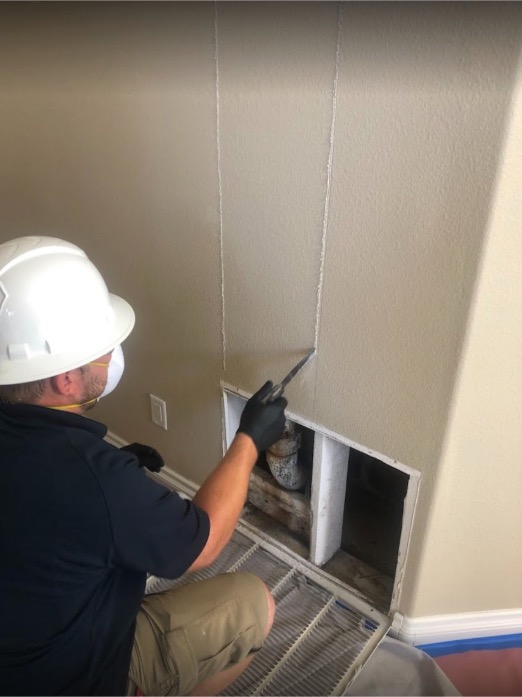
When you contact us about pipe problems, we thoroughly assess the situation to determine the extent of damage and the best repair approach. For localized issues like a single leak or cracked section, spot repairs—accessing the damaged area and replacing just the affected section—are often the most cost-effective solution. For leaks in accessible locations, we can make repairs quickly with minimal disruption. For pipes inside walls or under floors, we carefully create access points, complete repairs, and properly close and finish access holes. In some cases, particularly with older corroded pipes showing multiple problems, we may recommend replacing entire sections or considering whole-home repiping for a comprehensive, long-term solution.
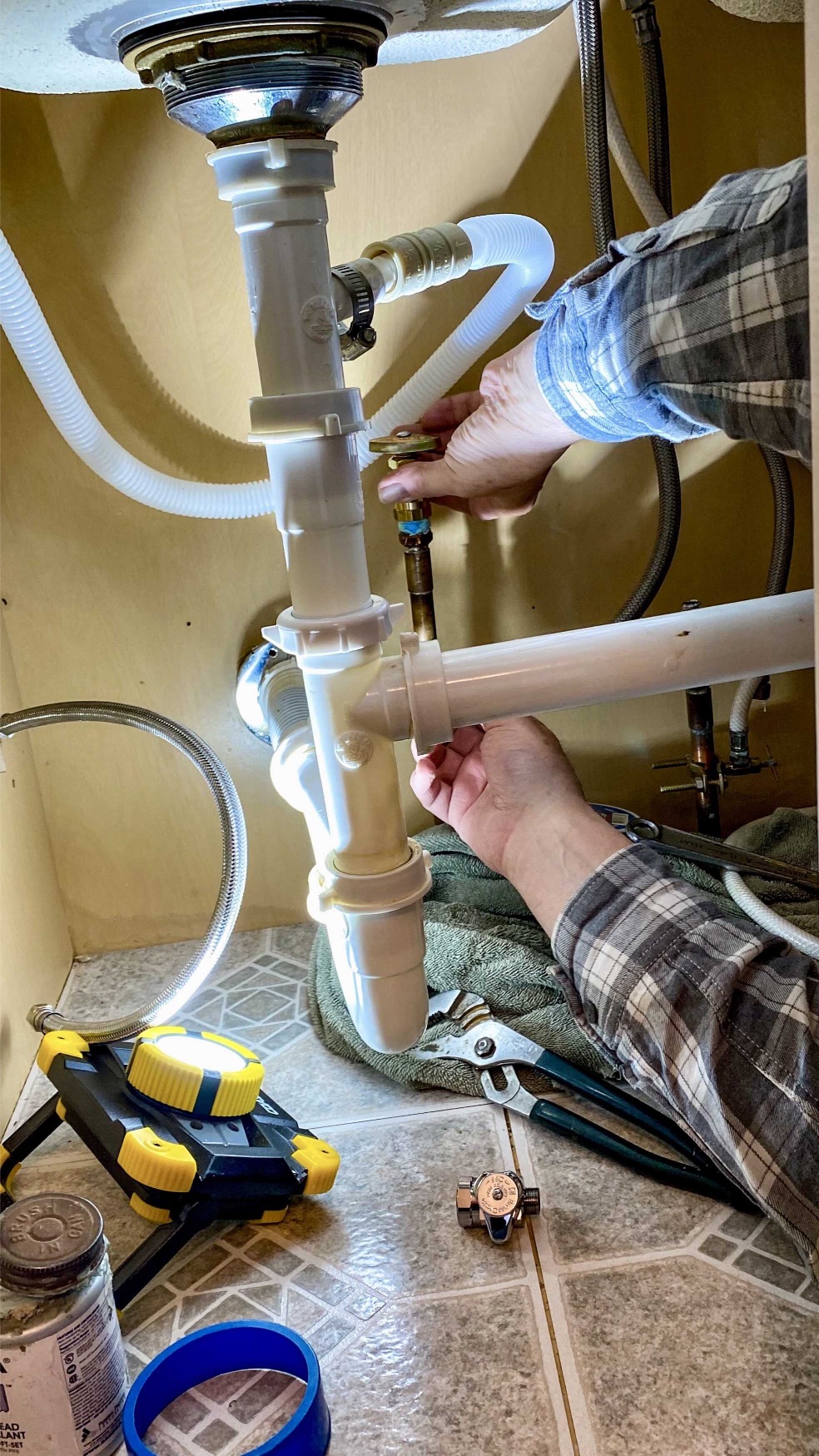
Professional pipe repair is essential because plumbing systems must meet code requirements, withstand normal water pressure, and remain leak-free for years. DIY repairs often fail because homeowners lack the proper tools, materials, and expertise to make lasting repairs. Our professional plumbers use professional-grade materials, proper connection methods, and proven techniques to ensure repairs hold up under daily use. We also pressure-test repairs before closing walls to verify there are no leaks. Whether you're dealing with a minor drip or a major pipe failure, our pipe repair service restores your plumbing system to reliable, code-compliant condition.
Sewer Line Services
Your home's main sewer line is one of the most critical components of your plumbing system, carrying all wastewater from every drain and toilet in your house to the municipal sewer system or septic tank. Because this pipe is underground and out of sight, problems often go unnoticed until symptoms become severe. Main sewer line issues are particularly serious because they can prevent you from using any plumbing in your home and can cause sewage backups that create health hazards and require expensive cleanup.
Common sewer line problems include blockages from tree root intrusion—roots seeking moisture grow into joints and cracks, eventually filling the pipe—grease and debris accumulation from years of kitchen waste, bellied or sagging sections where poor installation or settling soil allows waste to collect, and cracks or breaks from ground movement, heavy vehicle traffic above, or general deterioration of older clay tile or cast iron pipes. Symptoms of sewer line problems include multiple drains backing up simultaneously, sewage odors in your yard or near the foundation, sections of your lawn that are unusually lush or soggy, visible sinkholes or depressions in your yard, and gurgling sounds from drains and toilets when water flows.
When you report potential sewer line issues, we typically start with video camera inspection—threading a waterproof camera through your sewer cleanout to visually inspect the entire line. This diagnostic approach lets us see exactly what's wrong, where the problem is located, and the overall condition of your sewer pipe. The camera inspection results determine the appropriate solution. For blockages from roots or debris, professional cleaning with powerful drain augers or hydro-jetting equipment can clear the line and restore function. For minor cracks and small breaks, trenchless pipe lining—inserting an epoxy-coated liner that hardens to form a new pipe inside the old one—provides repair without excavation.
For severely damaged sewer lines with major breaks, extensive root damage, or complete deterioration, replacement may be necessary. Modern trenchless methods like pipe bursting can replace sewer lines with minimal digging—breaking the old pipe while simultaneously pulling new pipe into place. In some situations, traditional excavation and replacement is still the best approach. Our sewer line service provides comprehensive solutions from diagnosis through repair or replacement, using the most appropriate method for your specific situation. Proper sewer line maintenance and timely repair protect your home from sewage backups, prevent contamination of soil and groundwater, and ensure your plumbing system functions reliably for years to come.
Fixture Installation
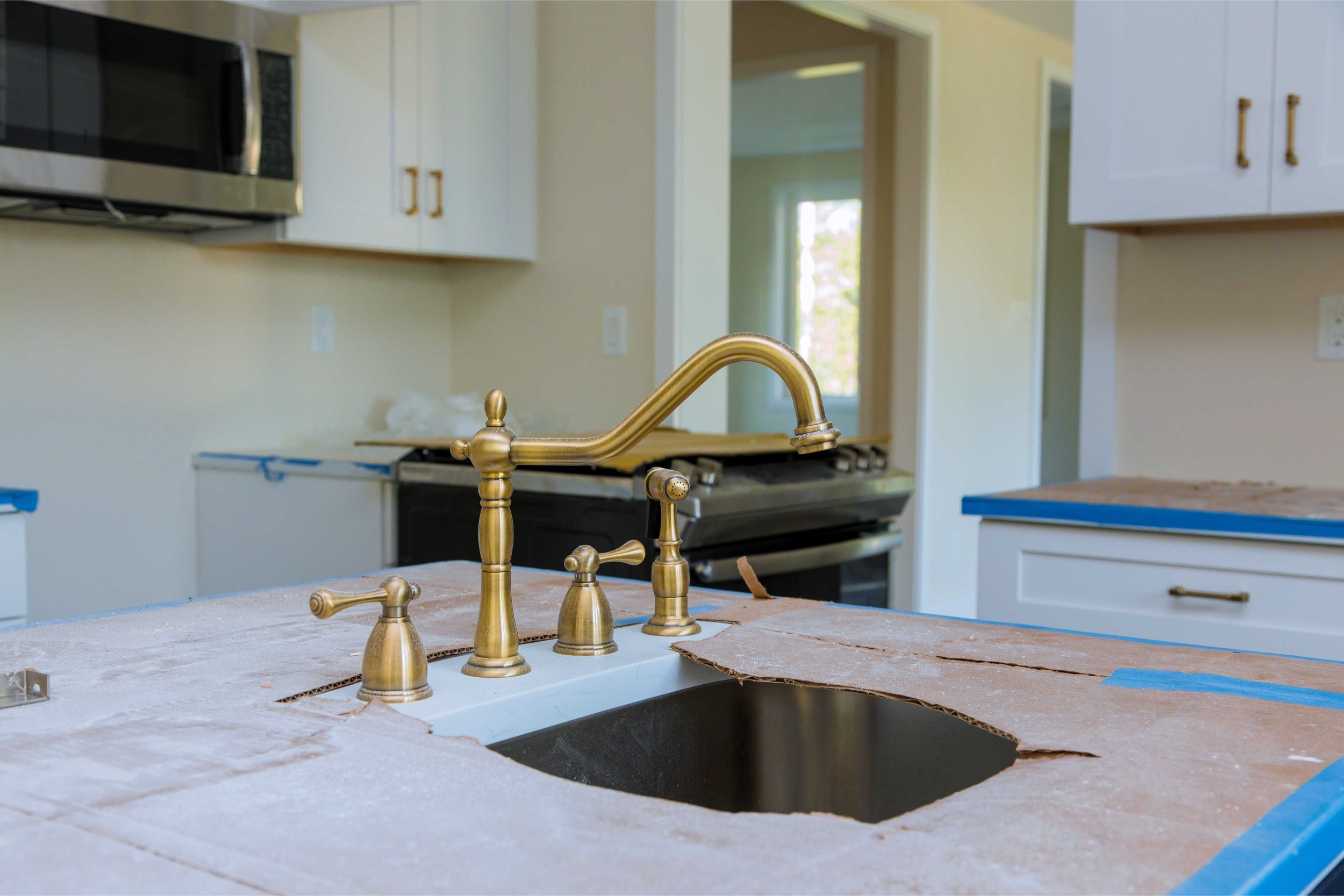
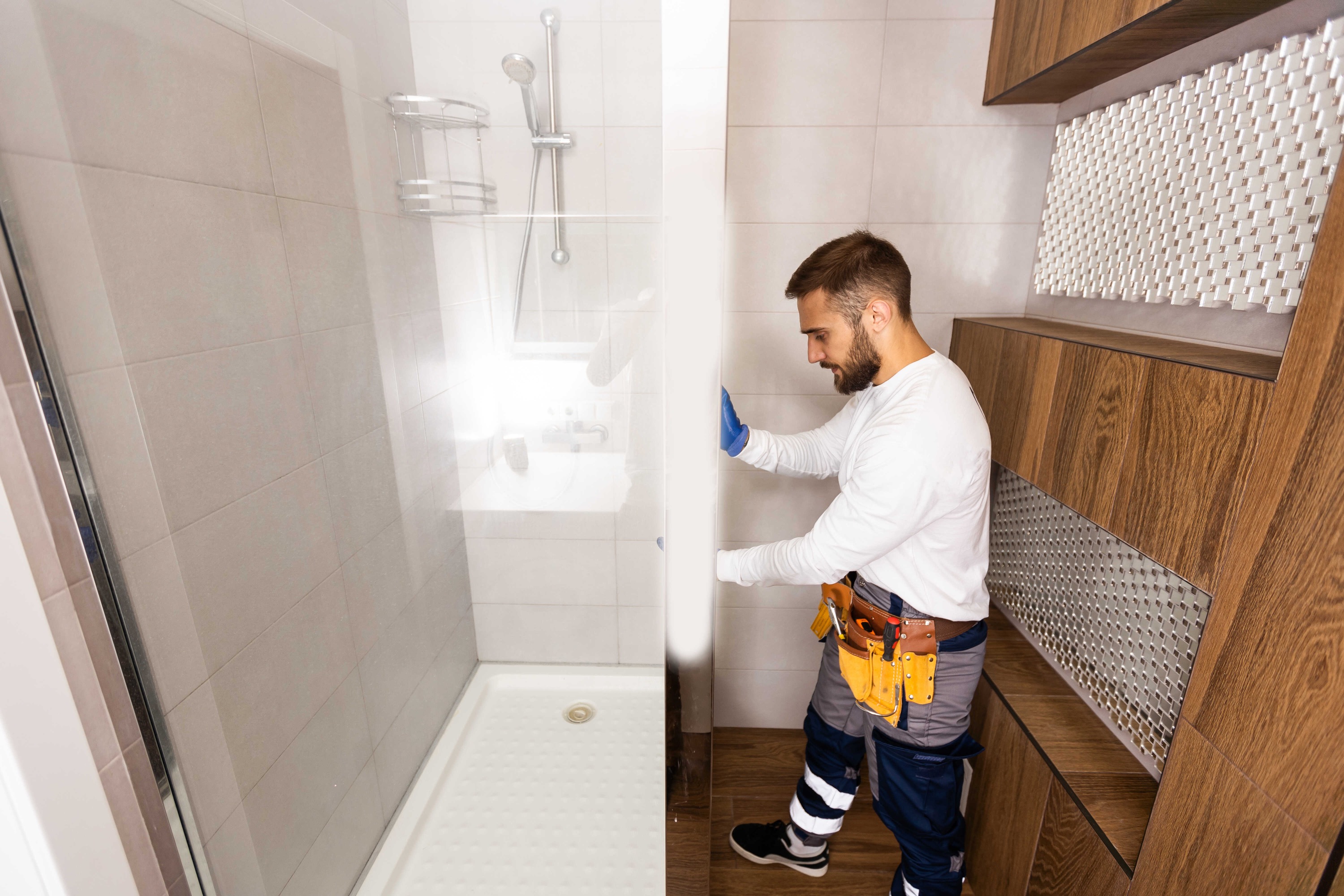
Plumbing fixtures—sinks, faucets, toilets, showers, tubs, and more—are the visible and functional endpoints of your plumbing system, and updating or replacing them can significantly improve both the appearance and functionality of your home. Whether you're undertaking a complete bathroom or kitchen remodel, replacing an old, inefficient toilet with a modern water-saving model, upgrading to stylish new faucets and fixtures, or simply replacing broken or worn-out components, professional installation ensures these improvements function properly, look great, and last for years without leaks or problems.
DIY fixture installation might seem straightforward, but it's more complex than many homeowners realize. Even basic replacements require proper knowledge of water supply line connections, drain configurations, mounting methods, and local plumbing codes. Incorrect installation can lead to leaks that damage cabinets and floors, improper seals that allow sewer gases into your home, fixtures that work poorly or fail prematurely, and code violations that create issues if you sell your home. Additionally, many high-quality fixtures require installation by professional plumbers to maintain manufacturer warranties—DIY installation voids the warranty, leaving you with no recourse if the fixture fails.
Our fixture installation service handles all types of plumbing fixtures throughout your home. In bathrooms, we install sinks, faucets, toilets, showers, bathtubs, and accessories like towel warmers and bidet seats. In kitchens, we install sinks, faucets, garbage disposals, dishwashers, and instant hot water dispensers. We also install utility fixtures like laundry sink installations, washing machine hookups, outdoor hose bibs, and water filtration systems. Whatever fixture you've selected, our experienced plumbers install it according to manufacturer specifications, ensuring all connections are secure, properly sealed, and code-compliant.
Beyond basic installation, we can also handle more complex projects that require plumbing modifications—relocating sinks or toilets, adding new fixture locations, upgrading supply lines to accommodate new fixtures, installing fixtures that require special backing or support, and coordinating with other trades for complete bathroom or kitchen renovations. We test all installations thoroughly to verify proper function and check for leaks before considering the job complete. Professional fixture installation gives you confidence that your new fixtures will perform beautifully and reliably, adding both functionality and value to your Wheat Ridge home.
Repiping
While most plumbing repairs address specific problems in isolated locations, sometimes the best solution for an aging, failing plumbing system is comprehensive repiping—replacing old pipes throughout your home with modern, reliable materials. Repiping is a significant project, but for homes with outdated or deteriorating plumbing, it's an investment that eliminates ongoing problems, improves water quality and pressure, and provides decades of trouble-free service. It's particularly worth considering if you're experiencing frequent leaks in multiple locations, persistent low water pressure throughout the house, discolored or rust-tinted water indicating corrosion, visible deterioration of exposed pipes, or mounting repair costs that make replacement more economical.
Many older Wheat Ridge homes were originally plumbed with materials that are now known to be problematic. Galvanized steel pipes, standard in homes built before the 1960s, corrode from the inside, gradually restricting water flow and eventually developing pinhole leaks or complete failures. Polybutylene pipe, used in some homes built between the 1970s and 1990s, has proven prone to premature failure and is no longer code-approved. Even older copper piping can develop problems in homes with acidic or highly mineralized water that accelerates corrosion. If your home still has these original pipes, proactive repiping prevents the inconvenience and expense of ongoing failures and water damage.
Modern repiping typically uses either copper or cross-linked polyethylene (PEX). Copper has a long track record of reliability and durability, though it costs more and requires more labor to install. PEX has become increasingly popular due to its flexibility, resistance to freezing damage, ease of installation, and lower cost. Both materials provide excellent service life and are approved by building codes. Our plumbers will discuss the best option for your home based on your specific situation, budget, and preferences. Regardless of material choice, repiping eliminates old, failing pipes and gives you essentially a brand-new plumbing system.
The repiping process involves careful planning to minimize disruption to your daily life. We map out the most efficient routing for new pipes, often using existing paths through walls and floors. We create access points where needed, install new supply lines throughout your home, connect them to existing fixtures and appliances, pressure-test the entire system to ensure there are no leaks, and then properly close and repair all access points. While repiping does require some temporary disruption and creates access holes in walls that need patching, the long-term benefits—no more leaks, improved water pressure, better water quality, and peace of mind knowing your plumbing is reliable—make it worthwhile for homes with aging, problematic plumbing systems.
Hydro-Jetting
When dealing with stubborn drain and sewer line blockages that resist conventional cleaning methods, or when you need a thorough cleaning that completely removes buildup from pipe walls, hydro-jetting is the most effective solution available. This advanced drain cleaning technique uses specialized equipment to blast high-pressure streams of water through your pipes at pressures up to 4000 PSI, thoroughly scouring away grease, scale, soap scum, mineral deposits, and even tree roots. Unlike mechanical snaking, which simply pokes a hole through blockages to restore some flow, hydro-jetting completely cleans pipe interiors and restores full capacity.
Hydro-jetting is particularly effective for several specific situations. Kitchen drain lines that suffer from heavy grease accumulation—even when homeowners try to avoid pouring grease down drains, small amounts build up over time—benefit enormously from the grease-cutting power of high-pressure water. Main sewer lines infiltrated by tree roots can be cleared more thoroughly with hydro-jetting than with mechanical cutters alone. Older drain pipes with significant mineral buildup from hard water see dramatic flow improvement after hydro-jetting removes decades of scale. Properties that experience recurring drainage issues due to rough pipe interiors or minor defects that catch debris benefit from the completely clean pipe surface that hydro-jetting provides.
The hydro-jetting process starts with video camera inspection to assess pipe condition—hydro-jetting is powerful and effective, but it's not appropriate for pipes that are severely deteriorated or damaged, as the high pressure could worsen existing problems. Once we've confirmed your pipes can safely handle the process, we insert a specialized nozzle into your drain cleanout, and the high-pressure water streams blast forward and backward simultaneously, scouring pipe walls as the nozzle moves through the line. The water and dislodged debris flow out through the sewer line. The process is thorough, effective, and uses only water—no harsh chemicals that could damage pipes or harm the environment.
Hydro-jetting provides benefits beyond just clearing current blockages. The completely cleaned pipe surfaces are less likely to catch debris and develop new clogs, providing longer-lasting results compared to mechanical snaking. Many commercial properties and homeowners with recurring drainage problems incorporate periodic hydro-jetting into their preventative maintenance programs, scheduling cleaning before problems develop rather than waiting for backups to occur. While hydro-jetting costs more than simple snaking, the superior results and longer-lasting effectiveness make it an excellent value for stubborn blockages and comprehensive pipe cleaning. If you're dealing with persistent drainage issues or want the most thorough cleaning possible for your drain and sewer lines, hydro-jetting is the answer.

-Ds-HMd1U.jpg)